- October 10, 2025
- 0 Comments
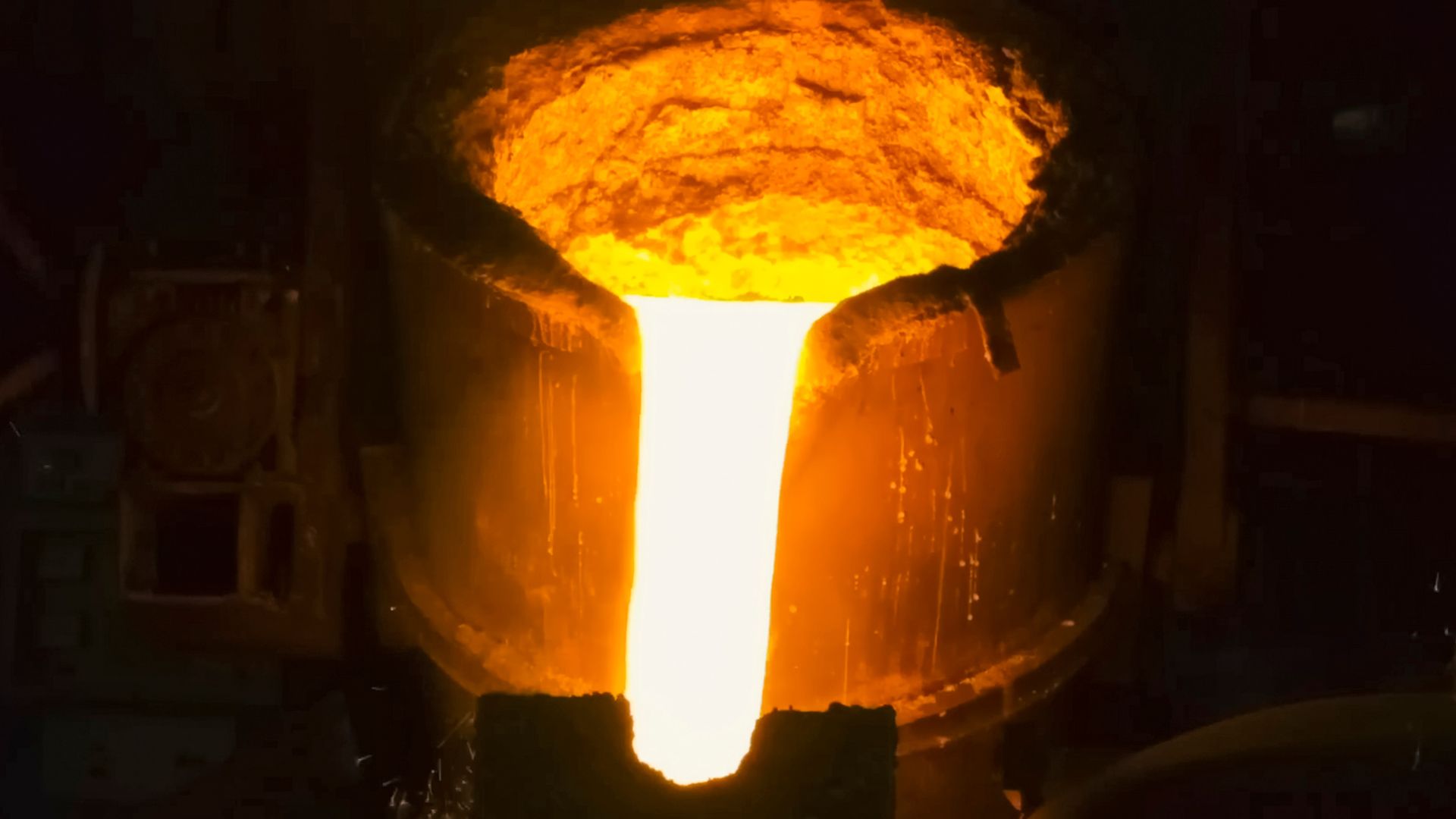
Infrastructure shapes how cities grow, how people move, and how economies develop. Roads, bridges, railways, and energy systems must be strong enough to last for decades. At the same time, modern infrastructure must also support environmental responsibility.
This is why steel in sustainable infrastructure has become a key focus in construction and engineering. Steel provides the strength needed for large-scale projects while also supporting sustainability through recycling and efficient production methods.
At AL Jessour Steel, we work closely with contractors, engineers, and developers who want durable materials that meet modern sustainability standards. Our goal is simple. We supply reliable steel products that support long-lasting infrastructure and responsible construction.
Why Steel Plays A Key Role In Sustainable Infrastructure
Infrastructure projects require materials that can withstand heavy loads, harsh weather, and continuous use. Steel meets these demands better than many alternatives.
Today, sustainable steel for infrastructure is widely used because it offers both structural reliability and environmental advantages. Steel has a long service life and is one of the most recyclable materials in the world.
For engineers designing highways, energy systems, or transportation networks, steel continues to be one of the most trusted sustainable engineering materials.
Strength And Long-Term Performance
One of the main reasons steel is used in large projects is its strength. Bridges, highways, and industrial facilities depend on materials that can handle high stress over long periods.
High-quality steel provides excellent steel durability in infrastructure. It resists heavy loads and performs well even in demanding environments. When maintained properly, steel structures can remain reliable for many decades.
This durability helps reduce repairs and replacement costs. It also supports infrastructure carbon footprint reduction, because structures that last longer require fewer resources over time.
Steel In Sustainable Transportation Infrastructure
Transportation systems form the backbone of any modern economy. Roads, railways, and bridges must be designed for safety and efficiency.
Steel plays a critical role in sustainable transportation infrastructure. It is widely used in:
- Highway bridges and overpasses
- Railway bridges and stations
- Safety barriers and structural supports
- Urban transit systems
Because of its strength and flexibility, steel is one of the most reliable materials for steel for infrastructure projects involving transportation networks.
Many governments and city planners now focus on modern infrastructure materials that combine performance with environmental responsibility. Steel meets both requirements.
Steel In Renewable Energy Projects
Sustainability is closely linked to clean energy development. Renewable energy projects require strong support structures that can withstand challenging conditions.
This is where steel in renewable energy projects becomes essential.
Wind Energy Infrastructure
Wind turbines rely on tall towers and stable foundations. These structures must resist strong winds and constant movement.
Steel provides the strength required for turbine towers, making it a vital material for wind energy systems.
Solar Energy Systems
Large solar farms use steel frames to support solar panels and mounting systems. Steel structures ensure that solar installations remain stable and efficient for years.
Energy Transmission Infrastructure
Steel is also widely used in power transmission towers and grid systems. These components help deliver renewable energy across long distances.
Because of these applications, steel continues to play a central role in the transition toward cleaner energy systems.
Recycling And Resource Efficiency
Another major advantage of steel is its recyclability. Steel can be reused multiple times without losing its strength.
The use of recycled steel in infrastructure significantly reduces the need for new raw materials. It also lowers energy consumption during production.
These steel recycling benefits make steel one of the most sustainable materials used in construction today.
Recycling also helps reduce waste and supports the use of environmentally friendly construction materials in infrastructure development.
Lower Environmental Impact Through Better Production
Steel manufacturing has also evolved in recent years. Many producers now focus on low carbon steel production to reduce emissions during the manufacturing process.
These improvements are important for large infrastructure developments that aim to reduce their environmental footprint.
By combining recycled materials with cleaner manufacturing processes, modern steel production supports eco steel for infrastructure projects that prioritize sustainability.
This approach allows builders to use strong materials while still contributing to infrastructure carbon footprint reduction.
Steel And Modern Infrastructure Materials
The construction industry continues to evolve. Engineers are increasingly selecting modern infrastructure materials that deliver both performance and sustainability.
Steel works well with other green building materials such as energy-efficient systems, sustainable concrete solutions, and renewable energy technologies.
Together, these materials help create infrastructure that is durable, efficient, and environmentally responsible.
This combination is essential for future cities and growing urban areas.
Supporting Smarter Cities And Infrastructure
Cities around the world are investing in infrastructure that supports long-term sustainability. Transportation networks, renewable energy systems, and public infrastructure must all work together.
At AL Jessour Steel, we supply steel solutions that support these goals. Our products are designed to meet the needs of modern infrastructure while maintaining reliability and quality.
Our team regularly shares insights on the role of eco-steel in construction and infrastructure development. For example, our article Eco-Steel and the Future of Green Construction Standards explores how sustainable steel is shaping future building regulations.
We also discuss how eco-steel contributes to modern urban planning in our article Building Smarter Cities with Eco-Steel Infrastructure.
These discussions highlight how steel continues to support modern infrastructure development across industries.
Why Reliable Steel Supply Matters
Infrastructure projects often operate on tight schedules and require materials that meet strict engineering standards.
Working with a reliable steel partner ensures that projects receive high-quality materials that meet safety and performance expectations.
At AL Jessour Steel, we focus on supplying sustainable steel for infrastructure that supports durability, efficiency, and responsible construction practices.
Our team works closely with developers and engineers to ensure that steel products meet the demands of complex steel for infrastructure projects.
Conclusion
Infrastructure development is changing. Cities and industries now require structures that are not only strong but also sustainable.
Steel remains one of the most important materials in this transformation. Its strength, recyclability, and long service life make it ideal for modern infrastructure.
From highways and railways to wind farms and solar power systems, steel in sustainable infrastructure supports the development of reliable and efficient systems.
As the demand for sustainable engineering materials continues to grow, steel will remain at the center of infrastructure projects that shape the future of transportation, energy, and urban development.
FAQs
1. What Is Steel In Sustainable Infrastructure?
Steel in sustainable infrastructure refers to the use of durable and recyclable steel materials in large projects such as highways, bridges, and energy systems. It supports long-term performance while contributing to environmentally responsible construction.
2. Why Is Sustainable Steel For Infrastructure Important?
Sustainable steel for infrastructure helps reduce environmental impact while maintaining structural strength. It supports long-lasting infrastructure and promotes the use of sustainable engineering materials in modern construction.
3. How Does Steel Improve Sustainable Transportation Infrastructure?
Steel plays a key role in sustainable transportation infrastructure because it is used in bridges, railways, highways, and transit systems. Its strength and flexibility make it ideal for heavy traffic and long-term infrastructure projects.
4. How Is Steel Used In Renewable Energy Projects?
Steel in renewable energy projects is commonly used in wind turbine towers, solar panel structures, and power transmission systems. These structures require materials that can handle heavy loads and extreme weather conditions.
5. What Are The Benefits Of Recycled Steel In Infrastructure?
Using recycled steel in infrastructure reduces the need for new raw materials and lowers energy consumption during production. These steel recycling benefits make steel one of the most sustainable construction materials available.
6. How Does Low Carbon Steel Production Support Sustainable Infrastructure?
Low carbon steel production reduces emissions during manufacturing. This helps support infrastructure carbon footprint reduction while still providing the strength needed for large-scale infrastructure development.
7. Why Is Steel Durability Important In Infrastructure Projects?
High steel durability in infrastructure ensures that bridges, highways, and energy facilities can withstand heavy loads and environmental conditions for many years, reducing maintenance and replacement costs.
8. Is Steel Considered An Environmentally Friendly Construction Material?
Yes, steel is widely recognized as one of the most environmentally friendly construction materials because it is recyclable, durable, and supports sustainable manufacturing processes.
9. Why Is Eco Steel For Infrastructure Becoming More Popular?
Eco steel for infrastructure is gaining popularity because it combines strong structural performance with sustainable production methods, helping developers meet environmental and construction standards.
10. How Does Steel Support Modern Infrastructure Materials?
Steel works well with other modern infrastructure materials and green building materials, making it a reliable option for transportation networks, energy systems, and large infrastructure projects.