- April 22, 2026
- 0 Comments
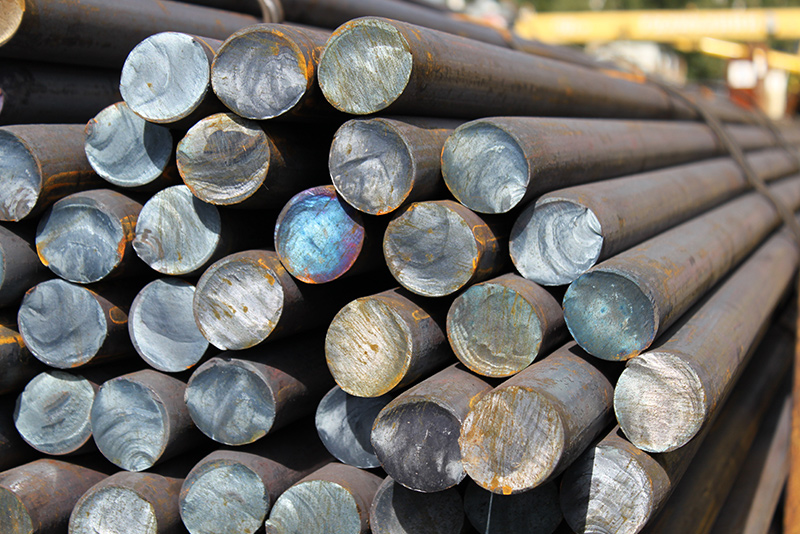
Low Carbon Steel Bars UAE: Benefits, Applications & Buying Guide
In the fast-growing construction industry of the UAE, selecting the right material is critical for long-term performance and safety. Among the many options available, Low Carbon Steel Bars have become a preferred choice for engineers, contractors, and developers.
Known for their flexibility, durability, and cost-effectiveness, these bars are widely used across residential, commercial, and infrastructure projects. Whether you are planning a small build or a large-scale development, understanding low carbon steel can help you make better decisions and avoid costly mistakes.
Low carbon steel bars are widely used in UAE construction because they offer high ductility, good weldability, and cost efficiency, making them ideal for reinforcement and structural applications.
Why Low Carbon Steel Bars Matter in UAE Construction
The UAE construction environment demands materials that can withstand heat, load, and long-term stress. Low carbon steel bars meet these requirements while also offering ease of use during fabrication and installation.
One of the biggest advantages is their ductility. These bars can bend without breaking, which is essential in modern construction where flexibility is needed to handle dynamic loads. This is especially important in high-rise buildings and infrastructure projects.
Another key factor is sustainability. As the region moves toward greener construction practices, materials like low carbon steel are gaining attention. Many builders are now focusing on eco steel and green construction to reduce environmental impact while maintaining performance.
Types of Low Carbon Steel Bars Available
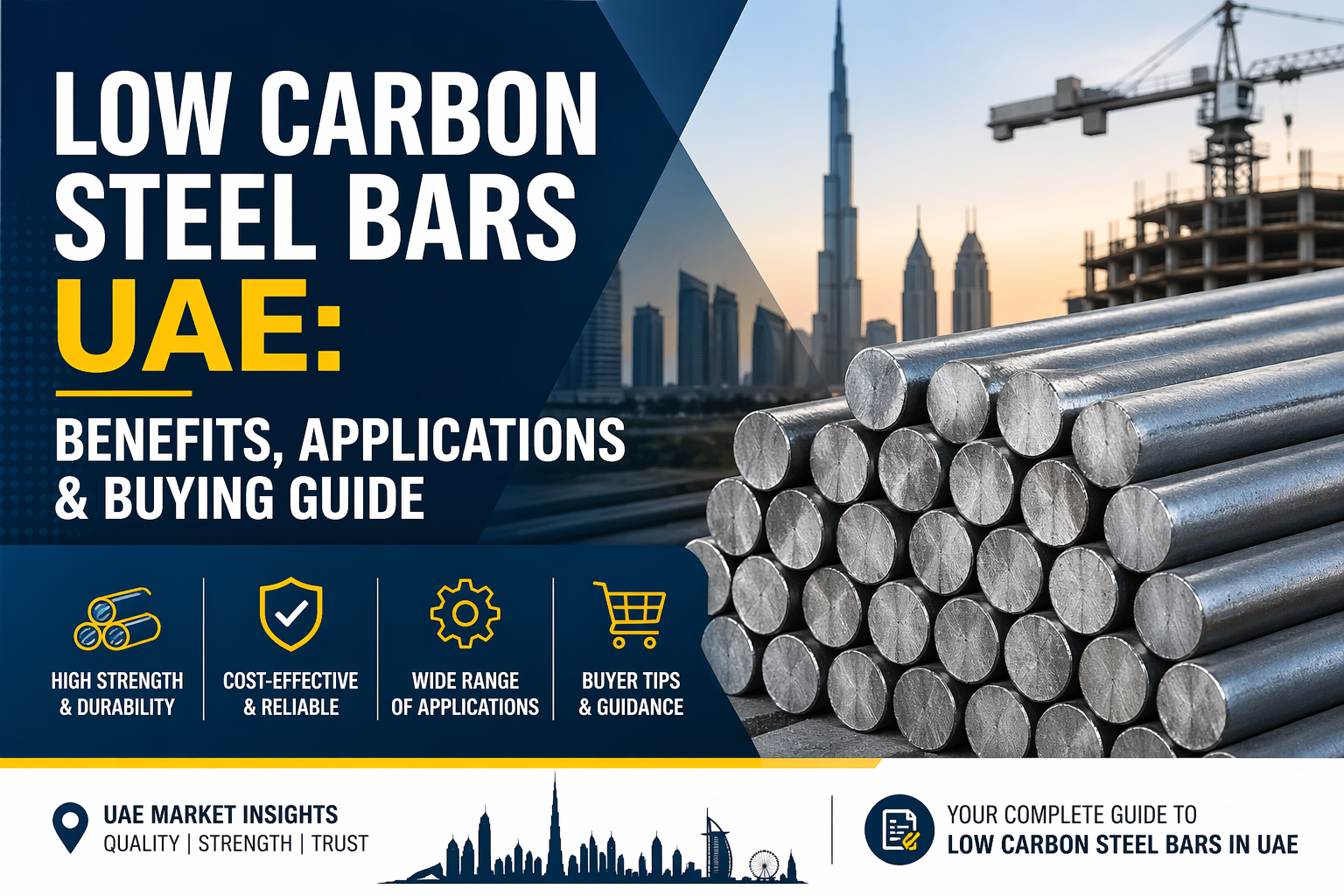
Understanding the different types helps in choosing the right product for your project.
1. Mild Steel Bars
These are the most common type of low carbon steel bars. They are easy to work with and are widely used in general construction.
2. Deformed Steel Bars
These bars have surface ribs or patterns that improve bonding with concrete. They are commonly used in reinforcement applications.
3. Welded Steel Bars
Ideal for structures that require joining multiple components, these bars offer excellent weldability and structural integrity.
Each type serves a specific purpose, and selecting the right one depends on your project requirements.
Applications of Low Carbon Steel Bars in UAE
Low carbon steel bars are used across multiple sectors due to their versatility.
1. Residential Construction
Used in foundations, slabs, and columns to provide structural strength and stability.
2. Commercial Projects
Offices, malls, and mixed-use buildings rely on steel reinforcement for durability and safety.
3. Infrastructure Development
Bridges, roads, and highways require strong yet flexible materials, making these bars an ideal choice.
4. Industrial Use
Factories and warehouses use steel bars for heavy-duty flooring and structural frameworks.
In many modern projects, these bars are also combined with custom steel mesh Dubai modern construction solutions to enhance reinforcement efficiency and speed up installation.
Benefits of Low Carbon Steel Bars
1. High Ductility
Low carbon content allows the steel to bend without cracking, making it safer under stress.
2. Excellent Weldability
These bars can be easily welded, which simplifies construction and reduces labor time.
3. Cost-Effective
Compared to high carbon steel, these bars are more affordable and widely available in the UAE.
4. Good Strength-to-Weight Ratio
They provide reliable strength without adding excessive weight to the structure.
5. Corrosion Resistance (with treatment)
With proper coating or treatment, low carbon steel bars can resist environmental damage.
These benefits of low carbon steel bars make them a practical choice for both small and large projects.
Low Carbon vs High Carbon Steel Comparison
Understanding the difference helps in making informed decisions.
Low carbon steel is softer, more flexible, and easier to weld. It is ideal for construction and reinforcement.
High carbon steel, on the other hand, is harder and stronger but less flexible. It is typically used in tools and machinery rather than construction.
For most building applications in the UAE, low carbon steel bars are the better option due to their balance of strength and flexibility.
How to Choose Low Carbon Steel Bars in UAE
This is one of the most important parts of the buying process.
1. Check Quality Standards
Always ensure the steel meets UAE and international standards. This guarantees safety and performance.
2. Understand Your Project Needs
Different projects require different grades and sizes. Work with engineers to identify the right specifications.
3. Supplier Reliability
Choose trusted low carbon steel bars UAE suppliers who have a proven track record of delivering consistent quality.
4. Material Certification
Verify that the supplier provides proper documentation and certifications for the steel.
5. Delivery and Availability
Timely delivery is crucial in construction. Ensure your supplier can meet deadlines without compromising quality.
6. Customization Options
Some projects require specific sizes or shapes. Working with suppliers who offer customization can be a major advantage.
Common Mistakes to Avoid
- Many buyers make simple mistakes that can lead to bigger issues later.
- Choosing based on price alone can compromise quality and safety.
- Ignoring certifications may result in using substandard materials.
- Not considering project-specific requirements can lead to delays and rework.
- Overlooking supplier reliability often causes delivery issues.
- Avoiding these mistakes can save both time and money in the long run.
Best Practices for Using Steel Bars
- Store steel bars in a dry and covered area to prevent rust.
- Handle and transport carefully to avoid bending or damage.
- Follow proper installation guidelines for maximum performance.
- Work with experienced professionals for cutting and welding.
- Regularly inspect materials before and during construction.
- These practices ensure that your investment delivers long-term value.
Tips for Buying Steel Bars in UAE
- Always compare multiple suppliers before making a decision.
- Ask for samples if possible to verify quality.
- Consider long-term performance instead of short-term savings.
- Build relationships with reliable suppliers for future projects.
- Stay updated with industry trends and material innovations.
Conclusion
Low Carbon Steel Bars continue to play a vital role in the UAE construction industry due to their flexibility, affordability, and performance. From residential buildings to large infrastructure projects, they offer a reliable solution for modern construction needs.
Making the right choice requires understanding types, applications, and supplier quality. By focusing on these factors, you can ensure better results and long-term durability.
At AL Jessour Steel, the focus is on delivering high-quality steel solutions that meet the evolving demands of the construction sector. Whether you are working on a small project or a large development, choosing the right materials makes all the difference.
FAQs
1. What are low carbon steel bars used for?
They are mainly used for reinforcement in construction, including slabs, columns, and foundations.
2. Are low carbon steel bars strong enough for construction?
Yes, they offer a good balance of strength and flexibility, making them ideal for most construction applications.
3. How do I choose the best steel bars in UAE?
Check quality standards, certifications, supplier reputation, and project requirements before purchasing.
4. What is the difference between mild steel and low carbon steel?
Mild steel is a type of low carbon steel with similar properties, commonly used in construction.
5. Are low carbon steel bars cost-effective?
Yes, they are more affordable than high carbon steel and offer excellent performance for their price.
6. Can low carbon steel bars be welded easily?
Yes, they have excellent weldability, which makes them easy to use in various construction applications.